
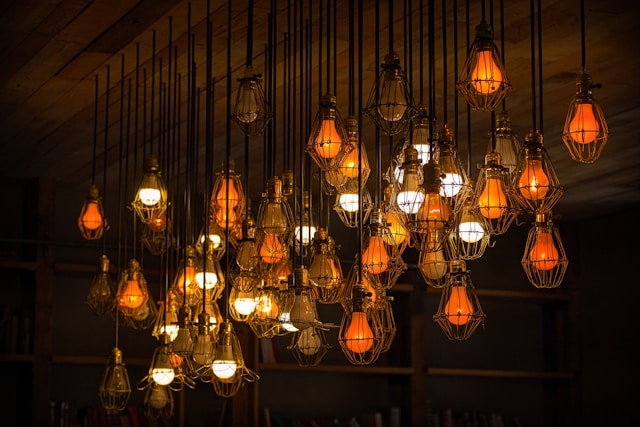
Revitalizing Your Space with Creative Lighting Solutions
Key Takeaways:
- Adequate lighting can significantly transform any space, enhancing both aesthetics and functionality.
- Different types of lighting, such as ambient, task, and accent, serve unique purposes in interior design.
- Understanding the role of color temperature helps create the desired ambiance in various spaces.
The Importance of Lighting in Interior Design
Lighting is a fundamental yet often underestimated component of interior design, providing a subtle yet profound impact on the atmosphere and functionality of a room. The invisible brush highlights the colors, textures, and materials, creating depth and dimension that enliven any living space. Proper lighting can convert a mundane room into a vibrant or soothing environment, enhancing the human experience by affecting moods and emotions. The symbiosis of light with space can evoke feelings of warmth or energy, adapting to stylistic and functional needs. Across various regions, such as lighting in Florida, the focus is often on harnessing abundant natural light while incorporating innovative artificial solutions to create harmonious interiors. Striking that delicate balance between different light sources requires thoughtful planning and design insight, ensuring each light fixture contributes to the room’s overall aesthetic and practical function.
Illumination strategies must consider the scope of each room’s use, the typical activities undertaken within the space, and the time of day when lighting is needed most. It’s not solely about abundant light but about adequate and appropriately allocated light that enhances particular tasks and accentuates visual appeal.
Types of Lighting Explained
Ambient Lighting: Foundation of Illumination
Ambient lighting is the cornerstone of any lighting plan, functioning as a room’s primary and most prominent illumination source. It provides even, diffused lighting that radiates a uniform glow throughout the space, ensuring sufficient brightness for daily activities without causing harsh shadows or glare. Often achieved through ceiling-mounted fixtures such as chandeliers, recessed lights, or track lighting, ambient lighting sets the stage upon which other lighting types build. It’s akin to the first layer of paint on a canvas, establishing the groundwork for the additional touches that follow.
Task Lighting for Functionality
Task lighting is designed to assist with activities requiring focused and intense illumination. Strategic lighting boosts visibility for tasks such as reading, cooking, or working at a desk where attention to detail is essential. Adequate task lighting reduces eye strain and improves concentration and accuracy. Desk lamps, under-cabinet lights in kitchens, and bathroom vanity lights are prime examples of task lighting.
Accent Lighting for Highlighting Design Features
Accent lighting is the spotlight within your lighting ensemble, used to draw attention to specific design elements such as artwork, sculptures, architectural facets, or plants and often described as a sculptor’s chisel, accent lighting crafts shadows and highlights, adding drama and intrigue to an otherwise flat design palette. Only a fraction of your room’s lighting plan, accent lighting should be about three times brighter than the surrounding ambient lights to create the desired spotlight effect. Techniques like track lighting or wall-mounted picture lights help create focal points that enrich and personalize any space, turning ordinary rooms into curated art galleries.
Choosing the Right Light Fixtures
Selecting the correct light fixtures depends on several integral factors—style, scale, and materiality—all of which should harmonize with the overall interior design. Fixtures are functional tools and aesthetic components that reinforce room themes and enhance spatial perception. Matching fixture styles with a room’s established decor ensures thematic coherence, whether the design is contemporary, traditional, or rustic. Proper scale and proportion are also critical, as an oversized chandelier can overpower a modest space, while diminutive fixtures might underwhelm a grand room.
The materials and finishes of light fixtures contribute significantly to the ambiance—brass and bronze finishes offer warmth and timeless appeal. At the same time, chrome and glass render a modern and sleek vibe. Textured materials such as fabrics or hand-blown glass can introduce layers of tactility and sophistication, enhancing the sensory experience within the space. A thoughtful selection of materials and finishes allows light fixtures to complement and elevate the established design narrative.
Understanding Color Temperature
Color temperature profoundly influences a room’s ambiance and can affect its occupants’ mood and perception. Measured in Kelvin (K), color temperature dictates whether a light appears warm or cool. Warm light, typically within the 2700K to 3000K range, offers a cozy, inviting atmosphere, similar to the glow of candlelight or traditional incandescent bulbs. In contrast, more astonishing light sources above 5000K mimic daylight tones, enhancing alertness and focus—making them ideal for office environments or task-oriented spaces.
The strategic use of varying color temperatures can create dynamic environments that support activities and influence individual comfort levels, underscoring its impact on day-to-day experiences.
Creative Lighting Ideas for Different Spaces
Kitchens: Combining Task and Ambient Light
The kitchen, often the heart of the home, necessitates a careful blend of task and ambient lighting to foster both function and ambiance. Under-cabinet lighting highlights countertops and food preparation areas and adds a layer of sophisticated elegance. Pendants can bring personality and highlight islands or dining spaces, creating focal points that draw people together in a social setting. Proper light layering ensures that the kitchen remains a stimulating cooking environment during the daytime yet a cozy space for gatherings at night.
Living Rooms: Layered Lighting for Flexibility
In living rooms, layered lighting techniques control the atmosphere of relaxation, study, or entertainment. A mix of floor lamps, table lamps, and adjustable ceiling lights provides the versatility required to adapt to various activities and occasions. Dimmers offer additional control over brightness, allowing the space to transform from a well-lit social area to a softly illuminated sanctuary perfect for unwinding.
Bedrooms: Soothing Lighting Setups
Lighting should prioritize tranquility and intimacy in the bedroom. Bedside sconces or swinging arm lamps offer localized reading light without disrupting the serene atmosphere. Soft, diffused lighting helps establish a calming retreat, encouraging restful sleep and relaxation away from the day’s stresses.
Outdoor Spaces: Elemental Lighting Techniques for Patios and Gardens
Outdoor lighting marries aesthetics with functionality, extending useable spaces into the evening hours. Whether through solar lanterns, fairy lights, or ground spike spotlights, these fixtures emphasize landscaping features and define pathways, enhancing safety and ambiance. The strategic placement of lights can mimic natural moonlight effects or create festive environments that invite outdoor gatherings and quiet contemplation alike.
Conclusion: Transforming Your Space with Thoughtful Lighting
Lighting is a pivotal element that can elevate your spaces’ aesthetics, efficiency, and functionality. You can transform your environment to reflect personal tastes and modern living standards through a meticulous balance of ambient, task, and accent lighting infused with intelligent technologies and sustainable practices. With creativity and strategic planning, lighting transcends traditional boundaries to rejuvenate and redefine your home, encouraging exploration of its possibilities in enriching your life’s backdrop.