
Scrap Car Recycling: How It Supports a Circular Economy
Key Takeaways
- Scrap car recycling is essential for a sustainable future.
- By recycling, the automotive industry enhances its sustainability efforts.
- Recycled materials can significantly decrease production costs.
Understanding the Impact of Scrap Car Recycling
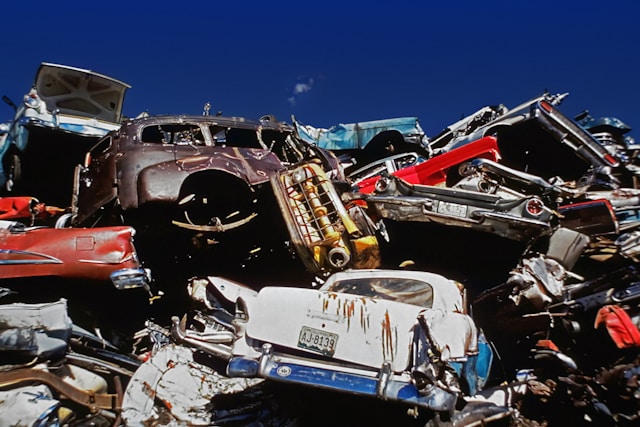
Recycling old cars helps reduce waste and supports a system where materials are reused instead of discarded. When a vehicle ends its life, its metal, plastic, and other parts can be processed and repurposed. This minimizes the need for new raw materials and decreases environmental damage. Recycling old vehicles saves precious resources, contributing to lower pollution levels and energy use.
Local recycling efforts play a key role in making this process effective. Programs handling scrap cars in Morris County, NJ, ensure that old vehicles are dismantled responsibly, with reusable materials returned to production. This helps keep landfills clear while providing raw materials for new products. As more communities adopt recycling practices, the benefits of reusing car parts and metals continue to grow, contributing to a more sustainable economy.
The Environmental Benefits of Recycling Cars
Recycling vehicles presents numerous ecological benefits, notably through reductions in greenhouse gas emissions and the conservation of natural resources. The combined impact of these initiatives can be significant. Consider, for instance, the recycling of steel, an essential part of vehicles. Recycling steel saves significant energy—roughly 60%—compared to new production methods. This reflects the enormous potential impact recycling can have in mitigating energy consumption and carbon emissions on a grand scale.
Acknowledging these benefits, many initiatives aim to amplify these positive environmental outcomes through increased efficiency and scale in recycling operations. Enhanced processes mean fewer materials are wasted, and more are redirected back into manufacturing cycles, aligning with sustainability targets.
How Scrap Metals Are Processed
Car recycling involves intricate and highly coordinated steps designed to extract maximum value. Initially, vehicles are dismantled. Suitable parts are segregated for reuse or refurbishment while the remaining components undergo a crushing process. This method effectively compacts the materials for further separation, where valuable metals such as aluminum and steel are identified and extracted. These metals are then processed in specialized facilities that employ advanced technologies to ensure the purity and quality of reclaimed materials.
This sophisticated processing exemplifies the principles of a circular economy by minimizing waste and repurposing materials to supply ongoing production needs. It showcases how strategic recycling can support longer resource life cycles and reduce the environmental impact of waste disposal.
Economic Advantages of Car Recycling
In addition to clear environmental gains, recycling decommissioned cars unveils notable economic benefits. Reutilizing materials can dramatically reduce the cost of manufacturing by alleviating the dependency on newly mined metals. This aspect curtails operational costs and lowers the market price for consumers, making sustainable practices lucrative.
Furthermore, the recycling sector contributes to economic diversity by creating various skill-demanding roles in dismantling, processing, and remanufacturing, diversifying the job market and enhancing the financial landscape.
The Circular Economy and Its Importance
Adopting a circular economy framework revolutionizes traditional resource management and product lifecycle approaches. It underscores the necessity of efficient resource use through recursive reuse, repair, and recycling cycles. By functioning under this premise, scrap car recycling creates closed-loop systems that ensure sustainability and resource longevity, contrasting sharply with the short-sighted linear economy model of take, make, and dispose of.
This paradigm shift fosters significant reductions in environmental degradation and preserves finite resources. Such systems promote ecological balance and provide resilience against resource scarcity, critical in our evolving economic climates.
The Future of Scrap Car Recycling
The future of scrap car recycling is promising, buoyed by advancements in recycling technology and a rising global commitment to ecological responsibility. Innovations such as enhanced material separation techniques and automated dismantling processes bode well for future scalability and efficiency. As awareness and participation grow, the industry is well-positioned to become a cornerstone of sustainable economic development.
Integrating these advanced processes will likely enhance the effectiveness and efficiency of recycling efforts. This will further embed scrap car recycling into the larger narrative of sustainable resource management and establish it as a pillar in the drive towards a sustainable future.