
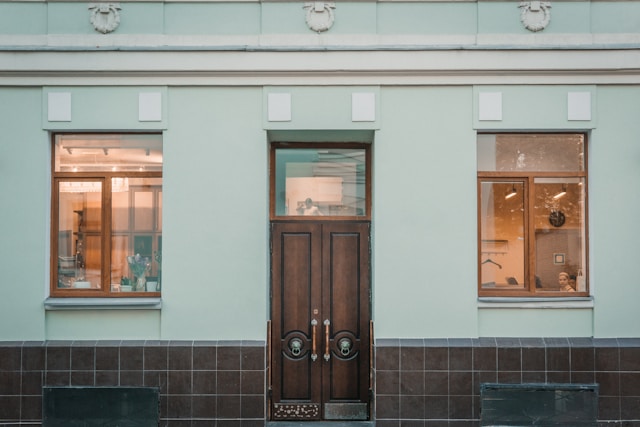
Creating Transitional Modern Homes: Trends and Tips
Key Takeaways
- Learn about how transitional houses combine modern and classic design features.
- Learn about the latest design trends in transitional modern homes.
- Get practical tips for incorporating transitional style into your own home.
- Understand why transitional design is gaining popularity in today’s housing market.
Designing transitional modern homes blends contemporary style with classic elements for a timeless look. Key trends include integrating sleek, minimalistic furnishings with traditional details and using neutral color palettes. Tips involve balancing modern innovations with warm, inviting textures and incorporating functional layouts to create a harmonious, stylish living space.
The Essence of Transitional Modern Homes
Transitional modern homes artfully combine the best elements of traditional and contemporary design. This style aims for a balanced mix that feels timeless and sophisticated. The perfect blend of these two aesthetics creates a warm yet contemporary atmosphere that appeals to many homeowners. Understanding this blend can elevate the home-buying or renovation experience for those interested in modern homes Dallas. Transitional architecture offers homeowners sophisticated, comfortable environments tailored to suit different tastes by fusing modern and classic design features. It maintains a home’s appeal in the long run by combining classic charm with contemporary sophistication.
The Rise in Popularity of Transitional Modern Design
One reason for the growing interest in transitional modern homes is their versatility. They offer a neutral palette that fits almost any taste while providing unique, stylish features that make a house feel like a home. The universal appeal of transitional designs can be seen in various demographics, making it a popular choice for first-time homebuyers and those looking to upgrade their living spaces. According to the Forbes Real Estate Council, younger homebuyers, especially Millennials and Gen Z, are drawn to modern transitional homes’ clean lines and functional spaces. This growing demographic values simplicity and functionality, which are hallmark characteristics of transitional design, and thus, these homes effortlessly blend practicality with aesthetic appeal.
Incorporating Traditional Elements
Transitional homes often feature traditional design elements like moldings, rich wood tones, and elegant furniture, adding a sense of history and luxury. These elements contrast with the minimalistic modern design. For those new to transitional homes, subtle traditional touches like crown molding or wainscoting can make a significant impact. Incorporating heirloom pieces or vintage furniture can enhance the room’s character without overwhelming its modern sensibility. These additions give a balanced and cohesive look to the space.
Embracing Modern Innovation
Modern design brings innovation and functionality to the forefront. It includes open floor plans, minimalist decor, and smart home technology. These characteristics are pivotal in creating both easy-to-maintain and aesthetically pleasing environments. Consider emphasizing clean lines and uncluttered spaces when blending modern features into a transitional home. For instance, an open kitchen with a large island can be both a focal point and a functional hub for your home. Innovative storage solutions, seamless cabinetry, and integrated appliances enhance the modern feel while retaining an orderly and approachable atmosphere. This approach ensures that practicality is never sacrificed for style, making the home as livable as it is beautiful.
Color Schemes That Work
Transitional homes often use neutral colors like gray, taupe, and cream to create a calming environment. However, pops of color can be added through artwork, pillows, or rugs to add personality and warmth. These vibrant accents can be easily updated to reflect changing seasons or trends, providing flexibility without significant renovations. Balancing neutral foundations with bold, expressive elements creates a timeless and dynamic visual interest, enhancing the home’s overall appeal.
Choosing the Right Furniture
Furniture in transitional homes often features a mix of traditional and modern pieces. This strategic combination provides comfort without compromising on sophistication. Opt for comfy yet stylish sofas with clean lines and subtle details. Pair them with classic wooden tables or contemporary metal accents to unite the room. Remember, the key is balance and harmony, ensuring that neither the traditional nor modern aspects dominate. This blend can be achieved by choosing pieces with complementary shapes and materials. For example, a streamlined sofa can be paired with an ornately carved coffee table, creating a unified yet eclectic look that embodies the essence of transitional design.
Lighting and Fixtures
Lighting plays a crucial role in transitional modern homes. Use a blend of traditional light fixtures like chandeliers along with modern recessed lighting. Carefully selected lighting solutions can create a layered, well-lit, and welcoming space. Design elements such as sconces and pendant lights can add specific points of interest and serve functional and decorative purposes. Remember to include statement lighting pieces as focal accents in your rooms. These standout pieces can be functional art, contributing to the room’s overall aesthetic. The goal is a balanced lighting scheme highlighting the home’s best features while ensuring a comfortable and inviting ambiance.
Why Transitional Design Works for Every Home
Transitional design is a versatile, timeless style ideal for homeowners seeking a stylish yet functional living environment. It allows for easy updates and personal touches, ensuring your home remains in style despite changing trends. This style balances comfort and sophistication, making it popular across various demographics. It can be suitable for any setting, from city apartments to rural homes, and its inclusive nature ensures a perfect balance of form and function, creating beautiful and livable spaces.